
Common Dental Emergencies and How They’re Treated
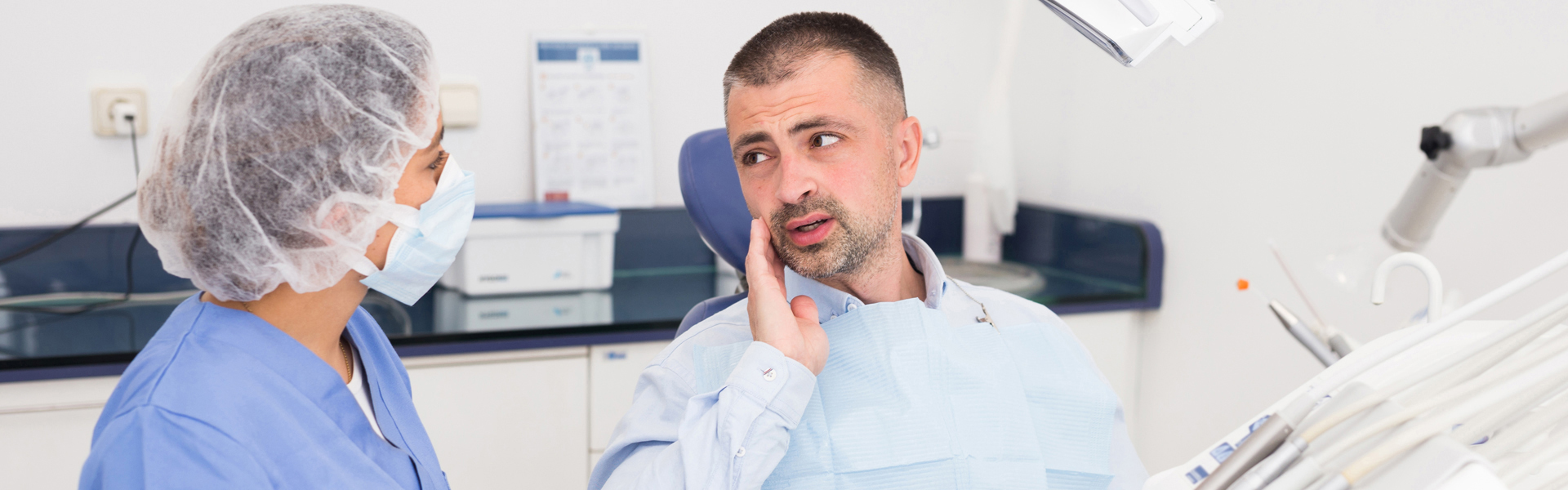
Dental problems rarely arrive at a convenient time. A throbbing toothache in the middle of the night, a crown that breaks during dinner, or a child’s tooth knocked out during a game can create stress and uncertainty. In those urgent moments, many people search for an emergency dentist near them to find relief. Knowing what qualifies as a true dental emergency and what to expect during treatment can ease worry and help you act quickly.
What Counts as a Dental Emergency?
Not every dental issue requires an urgent visit, but some problems demand fast care. Emergencies often include:
- Severe, persistent pain
- Bleeding that does not stop.
- Swelling in the face or mouth
- Injuries to teeth or gums
- Broken restorations or orthodontic devices
If you are unsure, it’s always better to call your dentist. Acting early can save a tooth and prevent further complications.
Severe Toothache
A sudden toothache often points to decay, infection, or trauma. Pain that is sharp or throbbing usually will not go away on its own. Your dentist may recommend:
- Filling or crown repair
- Root canal to remove infection
- Antibiotics if swelling is present
Toothaches are never something to ignore. Prompt treatment prevents small issues from becoming serious.
Knocked-Out Tooth (Avulsed Tooth)
A knocked-out tooth is one of the most urgent dental emergencies. Quick action—within 30 to 60 minutes—can save the tooth. If this happens:
- Handle or pick up the tooth by the crown, not the root
- Clean it gently with water if it’s dirty
- Place it back in the socket if possible, or store it in milk
A dentist near you can often reinsert and stabilize the tooth. If saving it is not possible, replacement options such as implants or bridges can reinstate your smile.
Chipped or Broken Tooth
A chipped tooth may look minor, but deeper fractures expose nerves and cause pain. Treatment depends on the extent of damage:
- Bonding for small chips
- Crowns for larger breaks
- Root canal if the pulp is exposed
Getting the tooth repaired quickly preserves both function and appearance.
Lost or Loose Filling/Crown
When a filling or crown has fallen out, the tooth is exposed and can become sensitive and more likely to decay. Temporary dental cement from a pharmacy may help until you see your dentist. Restoring the crown or replacing the filling protects the tooth from further harm.
Dental Abscess or Infection
A dental abscess is a pus pocket caused by bacteria. Signs include swelling, pain, fever, or a bad taste in the mouth. Left untreated, the infection can spread rapidly. Dentists treat abscesses by draining them, prescribing antibiotics, and often performing a root canal or extraction.
Soft Tissue Injuries (Gums, Lips, Tongue, Cheeks)
Sports accidents, sharp foods, or accidental bites can injure soft tissues. First steps include rinsing with warm salt water, applying gauze to stop bleeding, and using a cold compress to reduce swelling. Severe cuts may require stitches, so timely dental care is important.
Broken Braces or Orthodontic Appliances
A loose bracket or sharp wire can irritate cheeks and gums. Cover the wire with orthodontic wax and avoid hard foods until your orthodontist repairs it. Prompt attention keeps your treatment plan on track.
Excessive Bleeding After Dental Procedures
Some bleeding is expected after an extraction or oral surgery, but if it does not stop after several hours of pressure, call your dentist. Ongoing bleeding may signal a complication that requires immediate attention.
How to Prevent Dental Emergencies
While not all emergencies can be kept at bay, good habits lower your risk:
- Brush and floss daily
- Wear a mouthguard during sports
- Avoid chewing ice or hard candy
- Never use your teeth as tools
- Visit your dentist timely for checkups and cleanings
Prevention protects your oral health and reduces the chance of painful surprises.
Final Thoughts
Dental emergencies never come at a good time, but knowing how to respond can keep stress under control. From toothaches to broken crowns, quick care helps you stay comfortable and protects your health. If you are looking for a trusted dentist in Omaha, turn to Anding Family Dental. Our team is dedicated to providing compassionate, same-day solutions for patients of all ages. Do not wait for a small problem to grow—schedule your visit today and let us help you keep your smile strong.